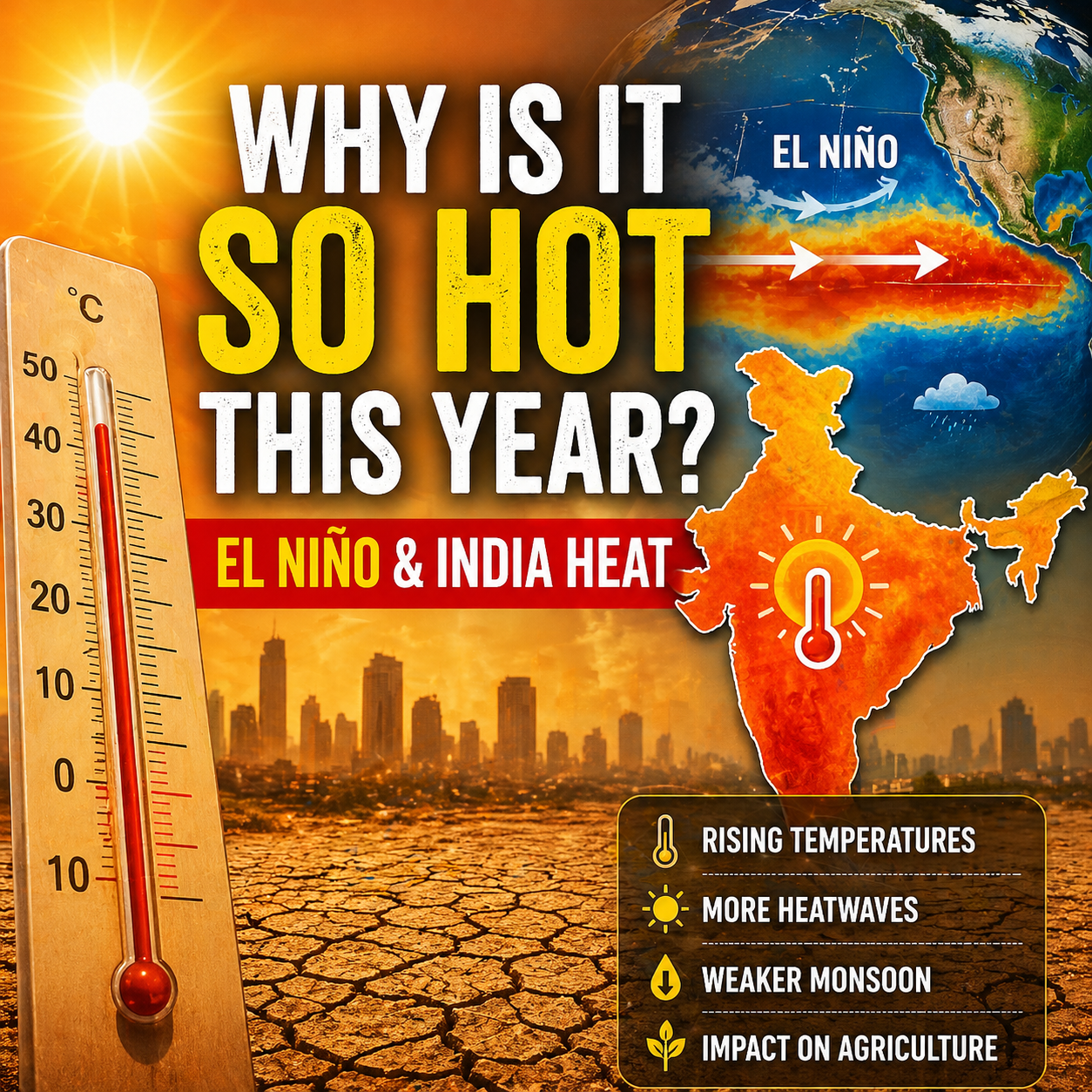
Why Is It So Hot This Year? El Niño & Climate Change
Why Is It So Hot This Year? (Part 1)
1. Introduction
In recent years, people across many regions, especially in India, have been experiencing extremely high temperatures. This year, the heat feels more intense and prolonged than usual. Many cities are witnessing record-breaking temperatures, and daily life has become increasingly uncomfortable.
A common question arises: why is it so hot this year? While many people believe that a single factor is responsible, the reality is more complex. Multiple environmental and climatic factors are working together to create these extreme conditions.
This article explores the main reasons behind the rising heat, starting with one of the most discussed climate phenomena: El Niño.
2. What is El Niño?
El Niño is a natural climate phenomenon that occurs in the Pacific Ocean. It involves the warming of sea surface temperatures in the central and eastern parts of the ocean. This warming disrupts normal weather patterns across the globe.
Under normal conditions, trade winds push warm water toward Asia, keeping the eastern Pacific cooler. During an El Niño event, these winds weaken, causing warm water to spread across the Pacific Ocean.
This shift in ocean temperature affects atmospheric circulation, leading to changes in rainfall, temperature, and storm patterns in many parts of the world.
3. How El Niño Affects India
El Niño has a significant impact on India's climate, particularly on temperature and rainfall patterns. One of the most noticeable effects is an increase in temperature, especially during the summer months.
It often weakens the Indian monsoon, leading to reduced rainfall. This can result in drought-like conditions in some regions, affecting agriculture and water availability.
In addition, El Niño contributes to the formation of heatwaves, making already hot conditions even more extreme. As a result, people experience higher discomfort, and the risk of health-related issues increases.
4. Heatwaves in India
A heatwave is a prolonged period of excessively hot weather, often combined with high humidity. In India, heatwaves are becoming more frequent and intense, especially in northern regions.
These conditions can last for several days or even weeks, making it difficult for people to carry out daily activities. Temperatures can rise above 45°C in some areas, creating dangerous living conditions.
Heatwaves also pose serious health risks, including dehydration, heat exhaustion, and heatstroke, particularly for children, the elderly, and outdoor workers.
5. Role of Climate Change
Climate change is one of the most important long-term factors contributing to rising temperatures. Due to increasing greenhouse gas emissions, the Earth's average temperature is gradually increasing.
This warming effect leads to more extreme weather conditions, including stronger heatwaves, unpredictable rainfall, and longer summers.
Unlike El Niño, which is temporary, climate change is a continuous process. It is making every summer hotter than the previous one, amplifying the effects of natural climate events.
6. Urban Heat Island Effect
Urban areas tend to be hotter than rural areas due to the Urban Heat Island effect. This happens because cities are filled with concrete, asphalt, and buildings that absorb and retain heat.
Vehicles, air conditioners, and industrial activities also release heat into the environment, further increasing temperatures in urban regions.
As a result, cities experience higher temperatures, especially during the night, making it harder for people to find relief from the heat.
7. Other Contributing Factors
Apart from major climate systems, several local factors also contribute to rising temperatures. These include low rainfall, dry winds, and deforestation.
Dry winds, commonly known as "loo" in India, increase heat intensity and reduce moisture in the air, making conditions more uncomfortable.
Deforestation reduces the number of trees that provide shade and cooling, leading to higher ground temperatures.
8. Impact on Daily Life
Extreme heat affects daily life in multiple ways. People experience discomfort, fatigue, and reduced productivity during hot weather.
Water shortages become more common as demand increases, while electricity consumption rises due to heavy use of cooling devices like fans and air conditioners.
Public health systems also face pressure as more people suffer from heat-related illnesses.
9. Impact on Agriculture and Economy
High temperatures have a direct impact on agriculture. Crops require specific weather conditions to grow properly, and excessive heat can damage them.
Farmers may face reduced yields, leading to financial losses and food shortages. This can also result in higher food prices in the market.
Overall, extreme heat puts pressure on the economy by affecting productivity, increasing costs, and disrupting supply chains.
Why Is It So Hot This Year? (Conclusion)
10. Is El Niño the Only Reason?
It is important to understand that El Niño is not the only reason behind the extreme heat. While it plays a significant role, it is just one part of a larger system.
The current heat conditions are the result of multiple factors working together, including climate change, urbanization, and local weather patterns.
Therefore, blaming a single cause would be inaccurate. A combination of natural and human-induced factors is responsible for the rising temperatures.
11. Precautions and Safety Measures
To protect themselves from extreme heat, people should take necessary precautions. Staying hydrated is essential, as the body loses water quickly in high temperatures.
It is advisable to avoid going बाहर during peak sunlight hours, wear light and loose clothing, and use protective measures such as hats or umbrellas.
Following government guidelines and heatwave alerts can also help reduce health risks during extreme weather conditions.
12. Conclusion
The rising heat levels are a serious concern and cannot be ignored. While natural factors like El Niño contribute to the problem, long-term issues like climate change are making the situation worse.
Understanding these causes is the first step toward finding solutions. Both governments and individuals must take action to reduce the impact of extreme heat.
In the future, temperatures may continue to rise, making it even more important to adopt sustainable practices and increase awareness about climate-related issues.
Related Articles

ऑस्ट्रेलिया ने बच्चों के लिए सोशल मीडिया बैन क्यों लगाया? क्या अब दुनिया भर में बदलेंगे नियम? – एक चौंकाने वाली कहानी!
READ MORE →
शिवकर बापूजी तलपड़े: राइट ब्रदर्स से 8 साल पहले भारत का पहला विमान | मरुत्सखा की प्रेरणादायक कहानी
READ MORE →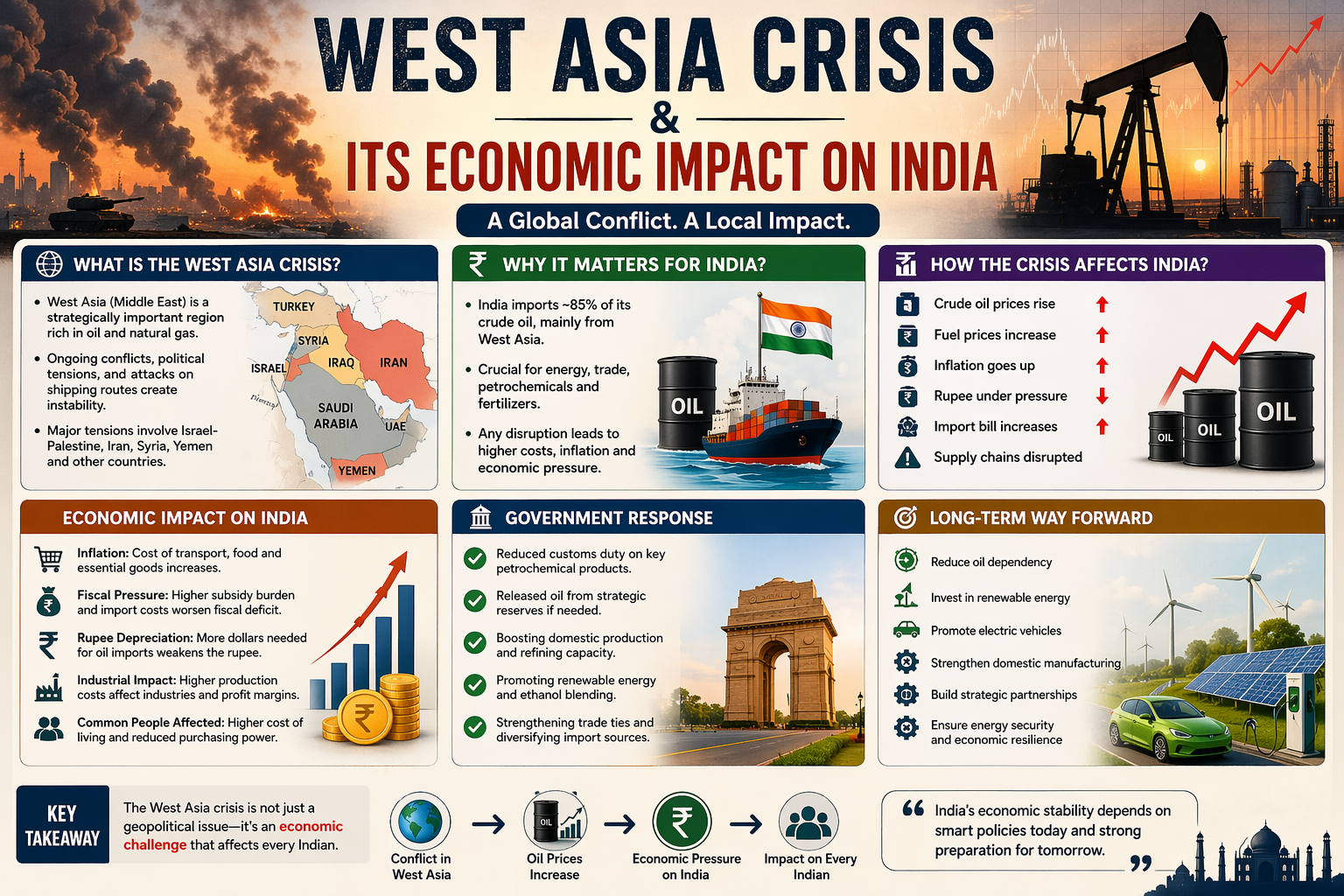
West Asia Crisis & Its Economic Impact on India
READ MORE →