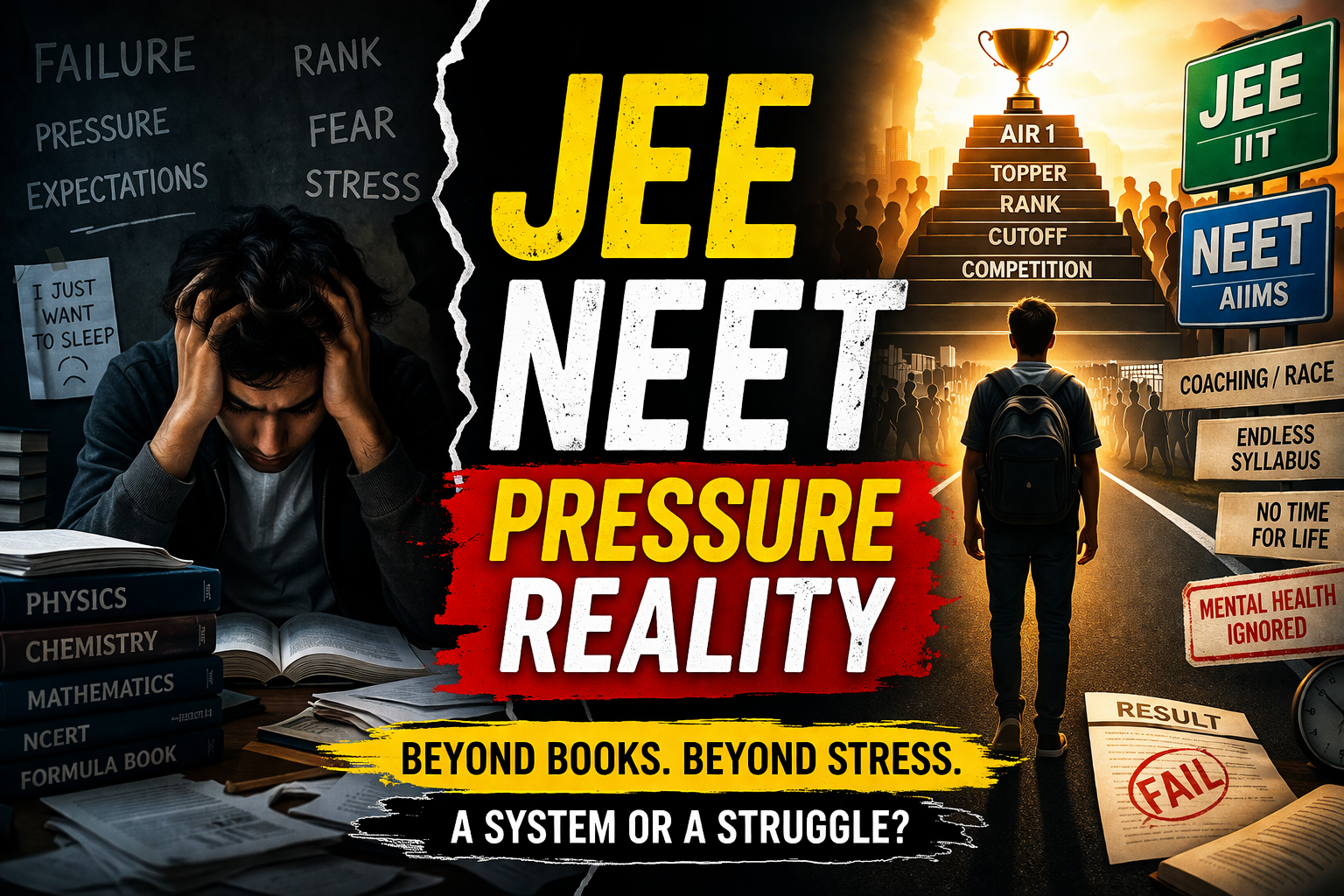
JEE NEET pressure
Student Suicides in JEE & NEET: A Deep Analysis
1. Introduction: The Growing Crisis of Student Suicides in India
India is witnessing a disturbing rise in student suicides, especially among those preparing for highly competitive examinations such as JEE and NEET. These exams are considered gateways to prestigious careers in engineering and medicine, but they also bring immense psychological pressure.
According to the National Crime Records Bureau (NCRB), India records more than 13,000 student suicides every year. This translates to over 35 student suicides daily, making it a major public health and social issue.
While not all cases are directly linked to exams, academic stress is consistently identified as one of the key contributing factors.
2. Understanding the Pressure of JEE & NEET
JEE (Joint Entrance Examination) and NEET (National Eligibility cum Entrance Test) are among the toughest entrance exams in the world. Every year, millions of students compete for a very limited number of seats.
For example, NEET sees over 20 lakh aspirants annually, competing for around 1 lakh medical seats. Similarly, JEE Advanced filters only a small percentage of candidates into top IITs.
This intense competition creates a high-pressure environment where even talented students feel inadequate and anxious.
3. Competition vs Limited Opportunities
The core problem lies in the mismatch between demand and supply. There are far more aspirants than available seats in top institutions.
This leads to a system where failure is statistically more common than success. Even high-performing students may not achieve their goals, leading to frustration and emotional distress.
Over time, students begin to associate their self-worth with exam results, which can have severe psychological consequences.
4. Mental Health Crisis Among Students
Students preparing for competitive exams often face anxiety, depression, burnout, and sleep disorders. Long study hours and lack of social interaction further worsen mental health.
According to global mental health studies, adolescents under academic stress are at higher risk of emotional breakdowns.
5. Coaching Industry Pressure (Kota Model)
Cities like Kota have become hubs for competitive exam preparation. Students often follow strict schedules, studying 10–12 hours daily under constant evaluation.
While coaching institutes provide academic support, the competitive environment can significantly increase stress levels.
6. Fear of Failure and Social Conditioning
In India, academic success is often linked to social status and family pride. Students fear disappointing their parents and society.
This creates a mindset where failure is not seen as a learning opportunity but as a personal defeat.
7. Real Data: NCRB & Student Suicide Statistics
Data from NCRB shows a steady increase in student suicides over the past decade. In several reports, over 13,000–15,000 student suicides are recorded annually in India.
Regions with high coaching concentration report higher cases, indicating a correlation between academic pressure and mental health issues.
8. Case Study: Kota and Rising Incidents
Kota has reported multiple student suicide cases in recent years, making it a focal point for discussions on academic stress.
This highlights the need for better emotional support systems in high-pressure academic environments.
9. Role of Parents, Society, and Expectations
Parental expectations and societal comparisons play a major role in increasing stress among students.
Supportive and understanding environments can significantly reduce the risk of mental health issues.
10. Government Policies & Mental Health Initiatives
The government has introduced mental health helplines, awareness programs, and counseling initiatives. However, implementation and accessibility remain challenges.
11. Solutions: Education System Reforms
Reducing exam pressure, promoting skill-based education, and integrating mental health support into schools are key reforms needed.
Students should be encouraged to explore diverse career paths beyond traditional options.
12. Conclusion
Student suicides are a complex issue requiring collective action from parents, educators, and policymakers.
A balanced education system that prioritizes mental well-being is essential for the future.
Related Articles
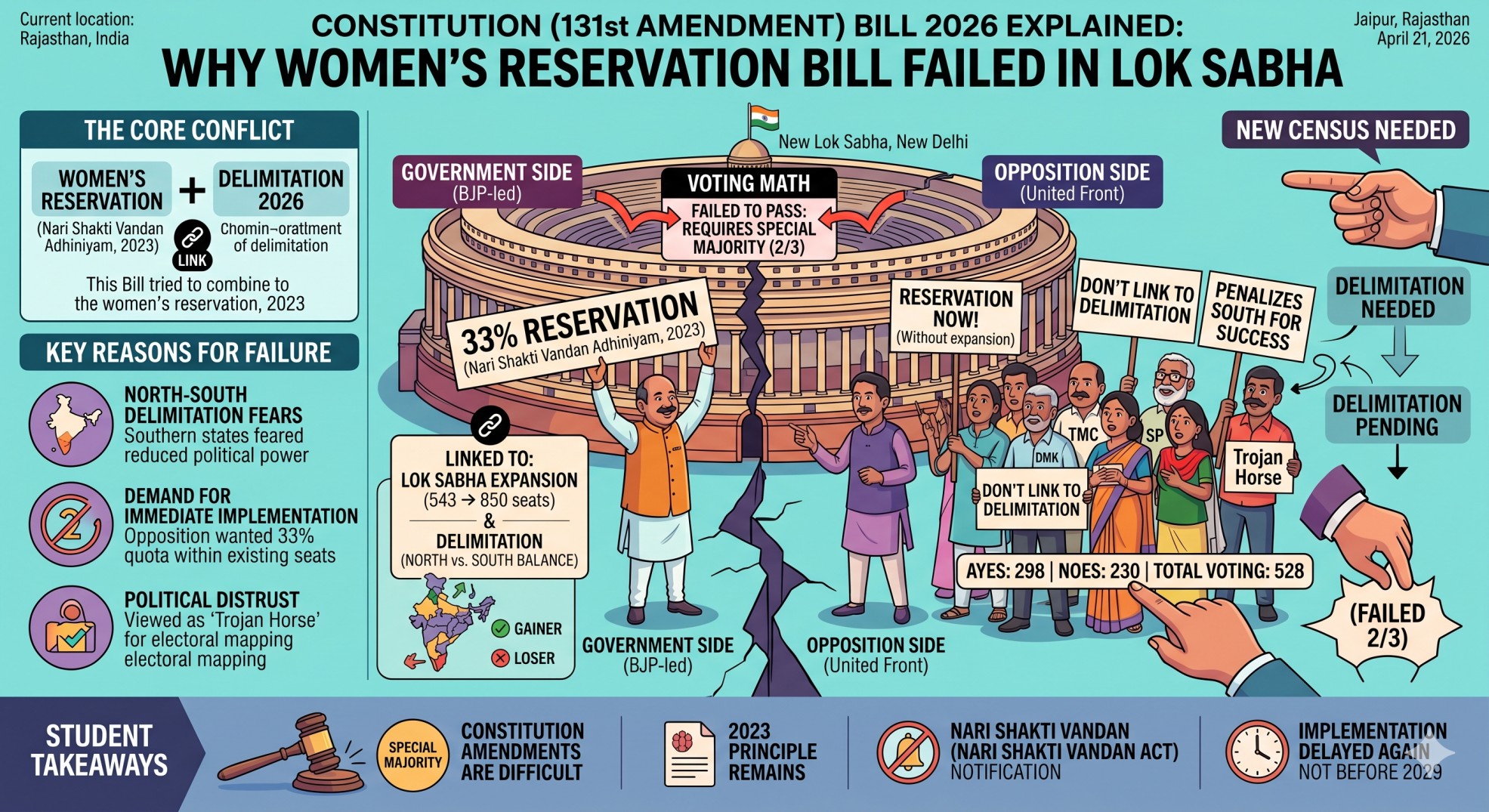
Constitution (131st Amendment) Bill 2026 Explained: Why Women’s Reservation Bill Failed in Lok Sabha
READ MORE →
12वीं के बाद क्या करें? Science, Commerce, Arts के लिए Best Courses और Career Options 2026
READ MORE →
India-Austria Relations 2026: A Strategic Partnership for Defense & Trade
READ MORE →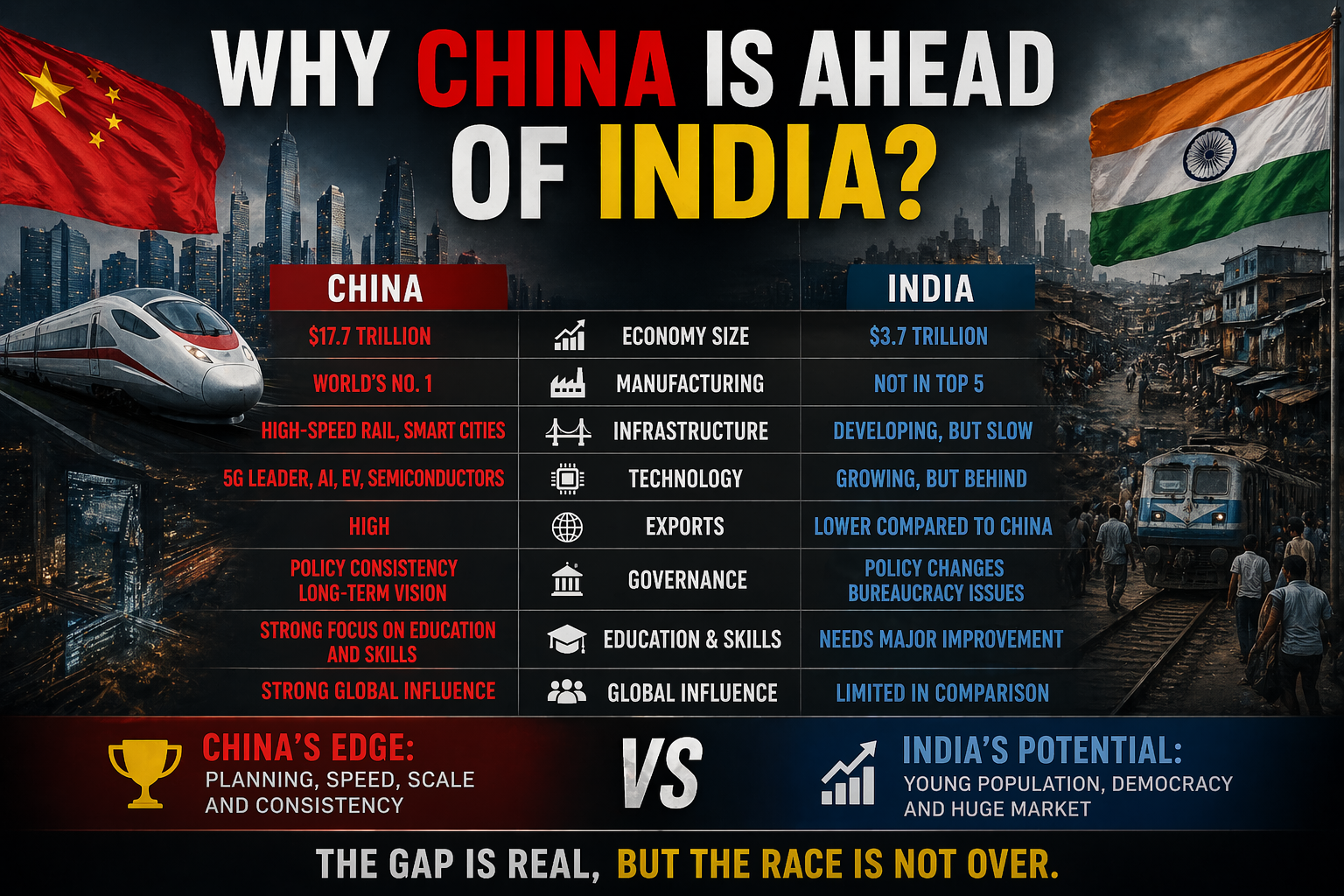
India vs China: Why China Is Ahead of India (From 1947 to 2026 Explained)
READ MORE →