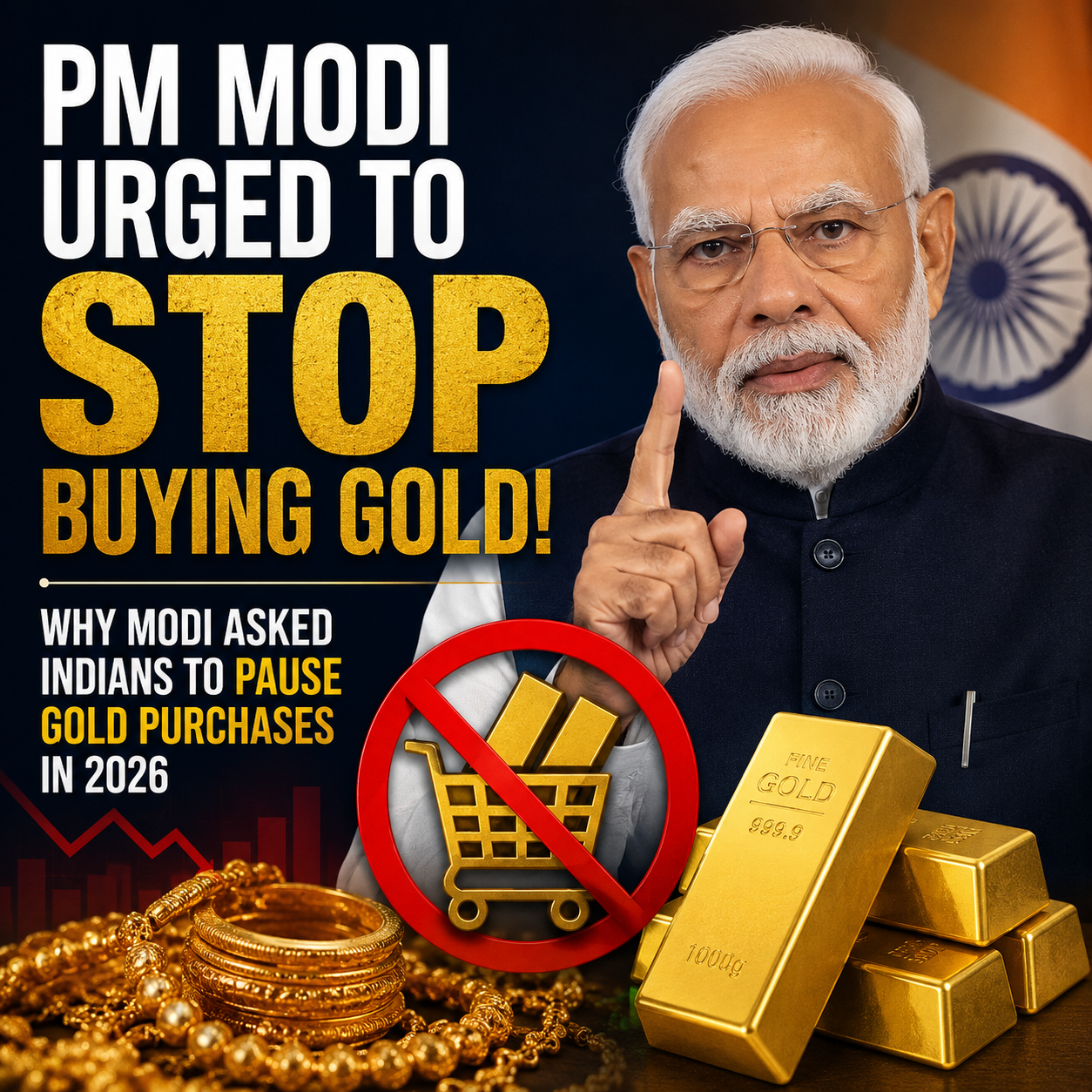
PM Modi Urged to Stop Buying Gold: Why Modi Asked Indians to Pause Gold Purchases in 2026
Why PM Modi Urged Indians to Pause Gold Purchases: A Comprehensive Economic Analysis
The Context and the Call – Understanding PM Modi's Appeal
The Historic Appeal That Shook the Nation In a public address in Secunderabad/Hyderabad on May 10, 2026, Prime Minister Narendra Modi made a direct and powerful appeal to the people of India: refrain from buying new gold jewelry for at least one year, especially for weddings, functions, or festive occasions.
Why This Appeal Came at This Moment The timing of this request is linked to rising geopolitical tensions in West Asia, particularly the Iran conflict. This has pushed up global crude oil prices sharply, increasing India's oil import bill towards $135 billion or more. Combined with record gold imports, it created significant pressure on foreign exchange reserves.
Record-Breaking Gold Imports in FY26 India's gold imports hit an all-time high of $71.98 billion (nearly ₹6 lakh crore) in FY 2025-26, marking a 24% jump from $58 billion in the previous year. Even though volume dipped slightly to 721 tonnes from 757 tonnes, soaring global prices drove the value higher.
India's Heavy Dependence on Imported Gold India remains the world’s second-largest gold consumer but produces almost none domestically. Nearly 100% of demand is met through imports paid in US dollars. Every rupee spent on new gold jewelry directly drains precious foreign exchange.
Forex Reserves Under Strain India’s foreign exchange reserves stood around $690-691 billion recently, facing outflows due to high import bills. While still comfortable, rapid depletion is not sustainable in a volatile global environment.
Broader Austerity Measures Suggested by Modi Along with gold, the Prime Minister urged citizens to reduce unnecessary foreign travel, cut fuel consumption by reviving work-from-home where possible, opt for carpooling and public transport, and practice overall restraint in discretionary spending.
Framing It as Economic Patriotism Modi described these steps as acts of “economic patriotism” — small individual sacrifices that strengthen the nation during challenging times. He clarified it was not a ban but a voluntary appeal for one year, encouraging families to use existing or family gold.
Cultural Significance vs Economic Reality Gold holds deep emotional and cultural value in India — symbolizing prosperity, security (especially stree dhan), and tradition in weddings and festivals. Yet, from a macroeconomic view, it represents “sterile” savings that do not generate employment or growth like investments in businesses or infrastructure.
Government Actions Supporting the Appeal The Centre raised import duties on gold and silver to 15% and is promoting alternatives like Sovereign Gold Bonds (SGBs) to reduce physical import dependence.
Public and Market Reaction Jewelry stocks tumbled immediately after the statement. Reactions were mixed — some praised the patriotic call, while others worried about impact on the gems and jewellery industry that employs millions.
Historical Parallels This is not the first time leaders have called for collective restraint. India faced a severe balance of payments crisis in 1991, when it had to pledge gold reserves. The current appeal aims to avoid such vulnerabilities.
The Economic Mechanisms – How Gold Imports Impact the Economy
Direct Dollar Outflow from Gold Purchases When households buy imported gold, dollars flow out immediately. In FY26, the $72 billion gold bill alone significantly widened the merchandise trade deficit.
Widening Trade Deficit Explained India’s merchandise trade deficit crossed $300 billion in FY26. Gold and oil together form a large chunk of non-essential or high-value imports that need to be financed either by exports, foreign investments, or reserves.
Link to Current Account Deficit (CAD) A higher trade deficit pushes up the Current Account Deficit. While services exports and remittances provide a cushion, spikes in gold and oil imports increase reliance on volatile foreign capital inflows.
Pressure on the Indian Rupee Increased dollar demand weakens the rupee. Reports indicated the currency facing pressure near record lows around ₹95-96 per dollar amid the oil-gold double impact. A weaker rupee makes all imports costlier, creating a vicious cycle.
Impact on Inflation and Interest Rates Rupee depreciation leads to imported inflation. The RBI may need to intervene by selling dollars or adjusting rates, affecting borrowing costs for businesses and consumers.
Reserves as a Buffer Forex reserves act as insurance for essential imports like oil and fertilizers. Preserving them ensures stability during global shocks. Even a 20-30% reduction in gold imports could save substantial dollars.
Gold vs Productive Investments Unlike stocks, bonds, or infrastructure, gold sitting in lockers does not create jobs or multiply economic activity. Shifting savings to financial instruments could boost capital formation and GDP growth.
Role of Global Factors The Iran conflict disrupted supply chains and raised oil prices. Gold often acts as a safe-haven asset, driving its global prices higher and increasing India’s import bill further.
Cultural vs Economic Realities of Gold in India
Why Indians Love Gold So Much Gold is intertwined with Indian culture, religion, and social status. It serves as a trusted hedge against inflation and uncertainty, especially in rural areas with limited banking access.
Estimated Private Gold Holdings Indians collectively hold an estimated 25,000-30,000 tonnes of gold — among the largest in the world. Annual demand of 700-800 tonnes keeps the massive jewelry industry alive.
Challenges in Changing Behavior Deep-rooted traditions, status symbolism, and trust in physical gold make quick shifts difficult. High duties often lead to increased smuggling.
Regional and Gender Dimensions South India traditionally has higher per capita consumption. Gold as stree dhan provides financial security to women in many communities.
Potential Short-Term Impact on Industry The $80+ billion gems and jewellery sector employs millions. A sustained slowdown could affect jobs, though recycling old gold offers a partial solution.
Policy Responses and Available Alternatives
Duty Hikes and Regulatory Measures Raising import duties to 15% aims to discourage excessive buying while curbing smuggling through official channels.
Promoting Sovereign Gold Bonds and Digital Gold SGBs offer 2.5% interest plus capital appreciation with no storage risk and zero dollar outflow. Gold ETFs and digital options provide modern alternatives.
Focus on Recycling and Domestic Efforts Encouraging recycling of old jewelry can meet demand without new imports. Long-term mining reforms and Atmanirbhar initiatives are also in focus.
Global Comparisons Countries like China balance high demand with domestic production and different savings habits. India’s unique cultural context requires tailored solutions.
The Road Ahead – Impacts, Criticisms, and Vision
Potential Positive Outcomes Successful moderation could save $10-20 billion in forex annually, stabilize the rupee, and channel savings into productive sectors.
Criticisms and Concerns Some view it as cultural interference or politically timed. Effectiveness depends on voluntary compliance. Structural issues like oil dependence need long-term solutions.
Aligning with Broader Goals This appeal complements pushes for renewables, EVs, export growth, and financial inclusion under Atmanirbhar Bharat.
A Call for Balanced Progress Modi’s message highlights collective responsibility in a volatile world. By balancing tradition with economic prudence, India can build greater resilience while preserving its rich cultural heritage.
Conclusion: Strength in Unity India’s fundamentals remain strong with robust growth, digital infrastructure, and a young population. Temporary moderation in discretionary imports like gold will help navigate current headwinds and pave the way for sustained prosperity.
Related Articles
India’s Union Budget FY 2026-27: ₹53.47 Lakh Crore Detailed Overview, Sector-Wise Allocation & Impact
READ MORE →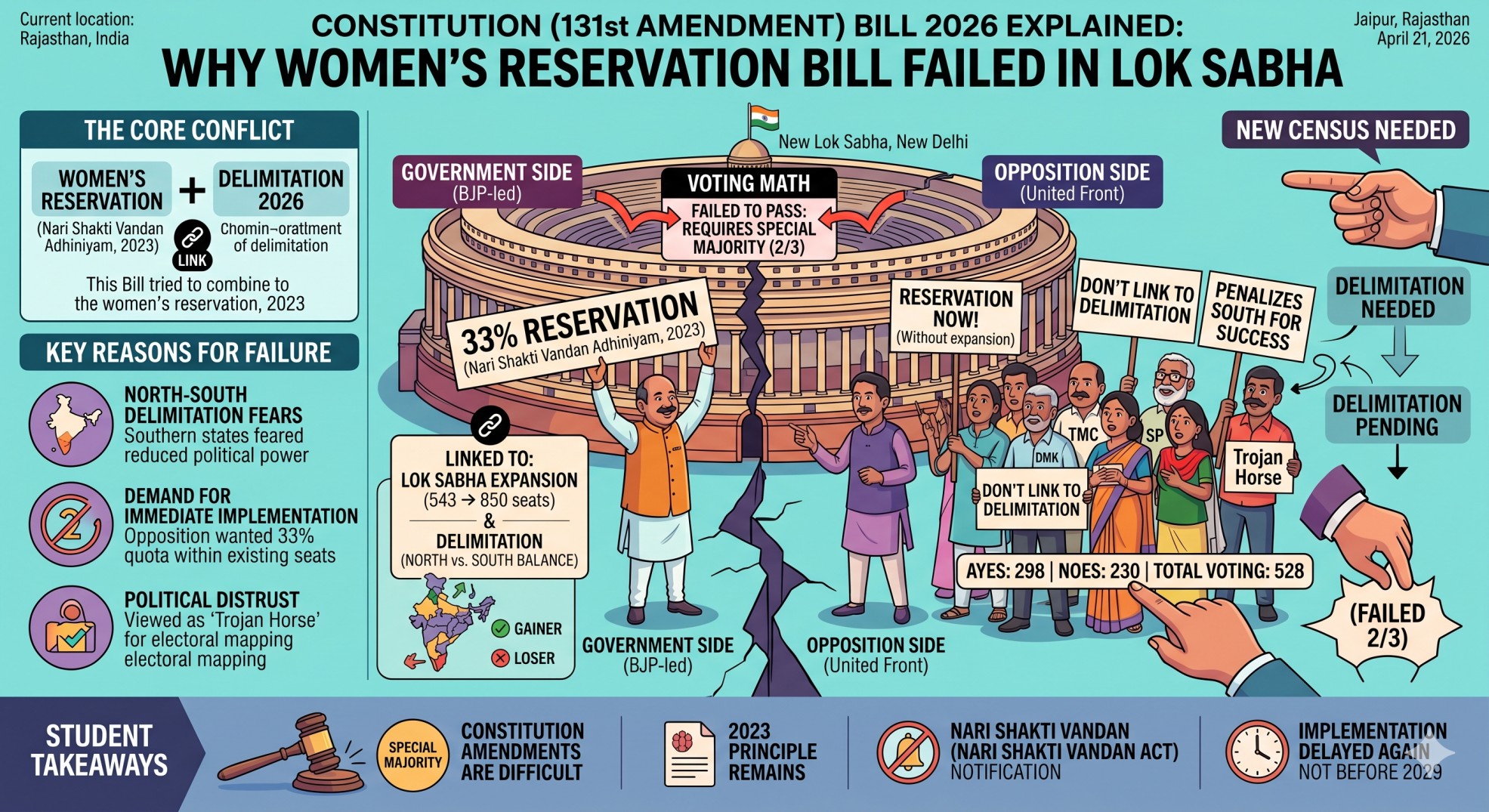
Constitution (131st Amendment) Bill 2026 Explained: Why Women’s Reservation Bill Failed in Lok Sabha
READ MORE →
India-Austria Relations 2026: A Strategic Partnership for Defense & Trade
READ MORE →