Top Reasons Behind U.S. Global Dominance in Economy, Military & Technology
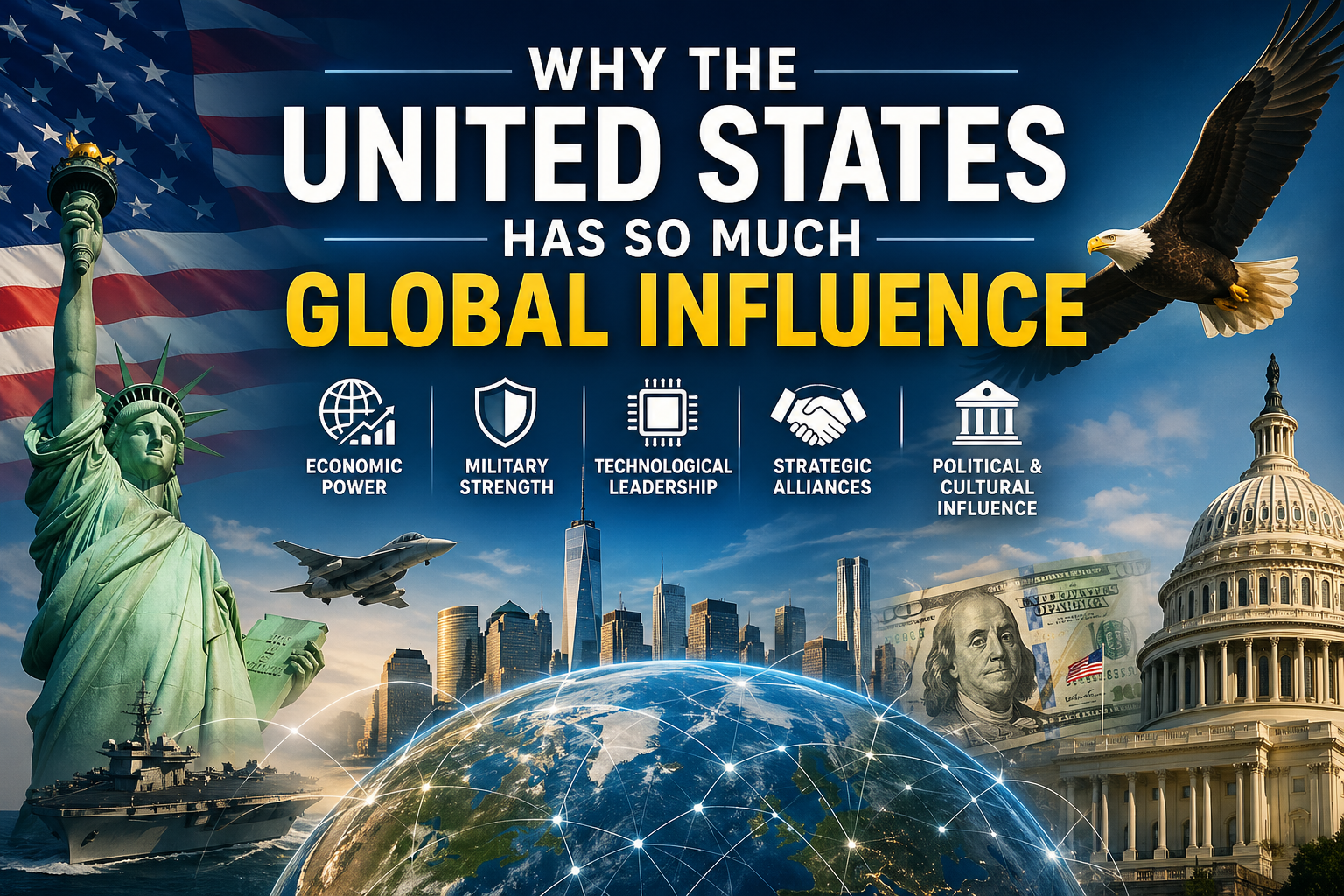
Why the United States Has Strong Global Influence
1. Economic Power (Center of the Global Economy)
One of the biggest reasons behind the global influence of the United States is its powerful economy. The U.S. has one of the largest economies in the world, which allows it to play a major role in international financial systems and global trade.
The U.S. dollar is considered the world's primary reserve currency. Most international trade, including oil and other important commodities, is conducted in dollars. This gives the United States a significant advantage, as many countries depend on the dollar for their economic stability.
In addition, the United States has strong influence over global financial institutions such as the International Monetary Fund (IMF) and the World Bank. These institutions provide loans and financial support to countries, often shaping their economic policies.
American companies operate globally and dominate multiple industries such as finance, technology, and manufacturing. This economic dominance allows the U.S. to influence global markets and trade policies.
2. Military Strength (Global Defense Dominance)
The United States has the most powerful military in the world. It spends more on defense than most other countries combined. This allows it to maintain advanced weapons systems, strong armed forces, and cutting-edge military technology.
One key factor is the presence of U.S. military bases around the world. These bases are located in Europe, Asia, and the Middle East, enabling rapid response to conflicts and ensuring global reach.
The U.S. also plays a leading role in international alliances such as NATO. Through these alliances, it can influence global security decisions and coordinate military actions with other countries.
Its strong military power acts as both a defense mechanism and a strategic tool, allowing the United States to protect its interests and maintain stability in various regions.
3. Technological Leadership
Another major reason for U.S. global influence is its leadership in technology and innovation. The country is home to some of the world's largest and most influential technology companies.
Silicon Valley, located in California, is considered the global hub of innovation. It has produced groundbreaking technologies in areas such as artificial intelligence, software development, and digital communication.
American companies have created platforms and tools that are used worldwide, including search engines, operating systems, and social media platforms. These technologies shape how people communicate, work, and access information globally.
The United States also invests heavily in research and development, leading advancements in fields like space exploration, biotechnology, and cybersecurity. This continuous innovation keeps the U.S. ahead in the global technological race.
4. Cultural Influence (Soft Power)
The United States has a massive cultural influence across the world, often referred to as "soft power." Unlike military or economic power, soft power works by influencing people's thoughts, lifestyles, and preferences.
American entertainment industries, especially Hollywood, play a major role in shaping global culture. Movies, TV shows, and music produced in the United States are consumed worldwide, influencing fashion, language, and social behavior.
Streaming platforms like Netflix and Disney+ have expanded this influence even further by making American content easily accessible to global audiences. As a result, many people adopt American styles of living, communication, and entertainment.
The English language, largely promoted through American media and business, has become the global language of communication. This gives the United States an additional advantage in diplomacy, business, and education.
Overall, cultural influence helps the United States shape global opinions and trends without using force.
5. Political Influence and Diplomacy
The United States plays a crucial role in global politics and international decision-making. It has strong diplomatic relationships with many countries and often leads discussions on global issues such as climate change, security, and economic stability.
One of the key tools of U.S. political influence is its ability to impose economic sanctions. These sanctions can restrict trade, freeze assets, or limit financial access for countries that do not align with U.S. policies. This gives the United States significant leverage in international relations.
The U.S. also has a powerful voice in organizations like the United Nations, where it can influence resolutions and global policies. Its position as a permanent member of the UN Security Council allows it to veto important decisions.
Through diplomacy, alliances, and strategic negotiations, the United States maintains its leadership role in shaping the global political landscape.
6. Control Over Global Trade and Institutions
The United States has a strong influence over global trade systems and international institutions. It plays a key role in setting trade rules and standards that many countries follow.
Organizations such as the World Trade Organization (WTO) are heavily influenced by major economies like the U.S. These institutions regulate international trade, resolve disputes, and ensure smooth economic interactions between countries.
The U.S. is also home to many multinational corporations that operate across the globe. These companies control large portions of global supply chains, from production to distribution. This allows the United States to indirectly influence economic activities in many regions.
Trade agreements led or influenced by the United States often shape global commerce. Countries that want access to American markets must align with certain rules and standards, increasing U.S. influence.
Overall, through trade systems and global institutions, the United States plays a central role in the functioning of the global economy.
7. Education and Talent Attraction
The United States is home to some of the best universities and research institutions in the world. Institutions such as Harvard University, MIT, and Stanford University attract students from all over the globe who seek high-quality education and advanced research opportunities.
One of the key reasons behind this attraction is the strong academic infrastructure, experienced faculty, and access to modern research facilities. Students not only gain knowledge but also exposure to innovation and real-world problem-solving.
The concept of "brain drain" also plays an important role. Talented individuals from different countries move to the United States for better career opportunities, higher salaries, and a more innovative environment. This strengthens the country's workforce and keeps it ahead in various fields.
In addition, the U.S. provides strong support for research and development, encouraging new ideas and entrepreneurship. Many global companies and startups are founded by immigrants or international students, further boosting economic and technological growth.
Overall, the ability to attract and retain global talent helps the United States maintain its leadership in education, innovation, and economic development.
8. Media and Information Power
The United States has a powerful media presence that influences how information is shared and consumed globally. Major news organizations such as CNN, The New York Times, and The Washington Post have international reach and are often considered reliable sources of information.
These media organizations play a key role in shaping global narratives. The way news is reported can influence public opinion, political decisions, and international relations. This gives the United States a subtle but significant form of influence over global audiences.
In addition to traditional media, American technology companies control major digital platforms such as social media and search engines. These platforms determine what content people see, how information spreads, and what topics become trending worldwide.
Control over information flow allows the United States to impact global discussions on politics, economics, and social issues. This form of influence is less visible but extremely powerful in the modern digital age.
9. Space and Scientific Leadership
The United States is a global leader in space exploration and scientific research. Organizations such as NASA have been at the forefront of major space missions, technological advancements, and scientific discoveries.
From the historic moon landing to modern Mars missions, the U.S. has consistently pushed the boundaries of space exploration. These achievements not only demonstrate technological strength but also inspire innovation worldwide.
The country invests heavily in scientific research across various fields, including biotechnology, medicine, engineering, and environmental science. This continuous investment leads to breakthroughs that benefit not only the U.S. but the entire world.
Collaboration with other countries in space missions and scientific research also strengthens diplomatic ties and global partnerships. At the same time, it reinforces the United States' position as a leader in innovation.
Overall, leadership in science and space exploration enhances the global reputation and influence of the United States.
Why the United States Has Strong Global Influence (Conclusion)
10. Strategic Alliances
One of the key reasons behind the global influence of the United States is its strong network of strategic alliances. The U.S. has built long-term political, economic, and military relationships with many powerful countries across the world.
These alliances include partnerships with countries in Europe, Asia, and other regions. For example, the United States maintains close ties with nations such as Japan, South Korea, and members of the European Union. These relationships are based on mutual interests like security, trade, and technological cooperation.
Through alliances like NATO, the United States collaborates with multiple countries to ensure collective defense and global stability. This allows the U.S. to extend its influence beyond its borders without direct control.
Strategic alliances also help in sharing intelligence, conducting joint military exercises, and coordinating responses to global threats such as terrorism and cyber attacks. This interconnected network strengthens the global position of the United States.
11. Financial System Influence
The United States has a dominant position in the global financial system. Its influence extends across international banking, investment, and financial transactions.
One major factor is the widespread use of the U.S. dollar in global trade and finance. Many countries hold dollar reserves and conduct international transactions using the dollar, making the U.S. central to global financial activities.
The U.S. also has significant influence over global financial infrastructure, including systems like SWIFT, which is used for international money transfers. While SWIFT itself is an international system, U.S. policies can indirectly affect access to it, giving the country financial leverage.
American financial institutions, stock markets, and investment firms are among the largest and most influential in the world. Decisions made in U.S. financial markets often impact economies worldwide.
This strong financial position allows the United States to influence global economic stability and respond effectively to financial crises.
12. Criticism and Limitations
Although the United States has significant global influence, it does not fully control the world. There are several limitations and challenges to its dominance.
One major challenge is the rise of other global powers, especially China, which is rapidly growing in terms of economy, technology, and military strength. This creates a more balanced and competitive global environment.
Countries like Russia also challenge U.S. influence, particularly in geopolitical and military matters. Additionally, many nations prefer to maintain independence and do not always align with U.S. policies.
Global issues such as economic crises, climate change, and regional conflicts require cooperation among multiple countries, limiting the ability of any single nation to dominate completely.
Furthermore, internal challenges within the United States, such as political divisions and economic inequality, can also affect its global role.
In conclusion, while the United States is one of the most powerful and influential countries in the world, it operates in a complex global system where power is shared among multiple nations.
Related Articles

IPL Auction में पैसों की बारिश: किस खिलाड़ी पर टूटा करोड़ों का पहाड़?
READ MORE →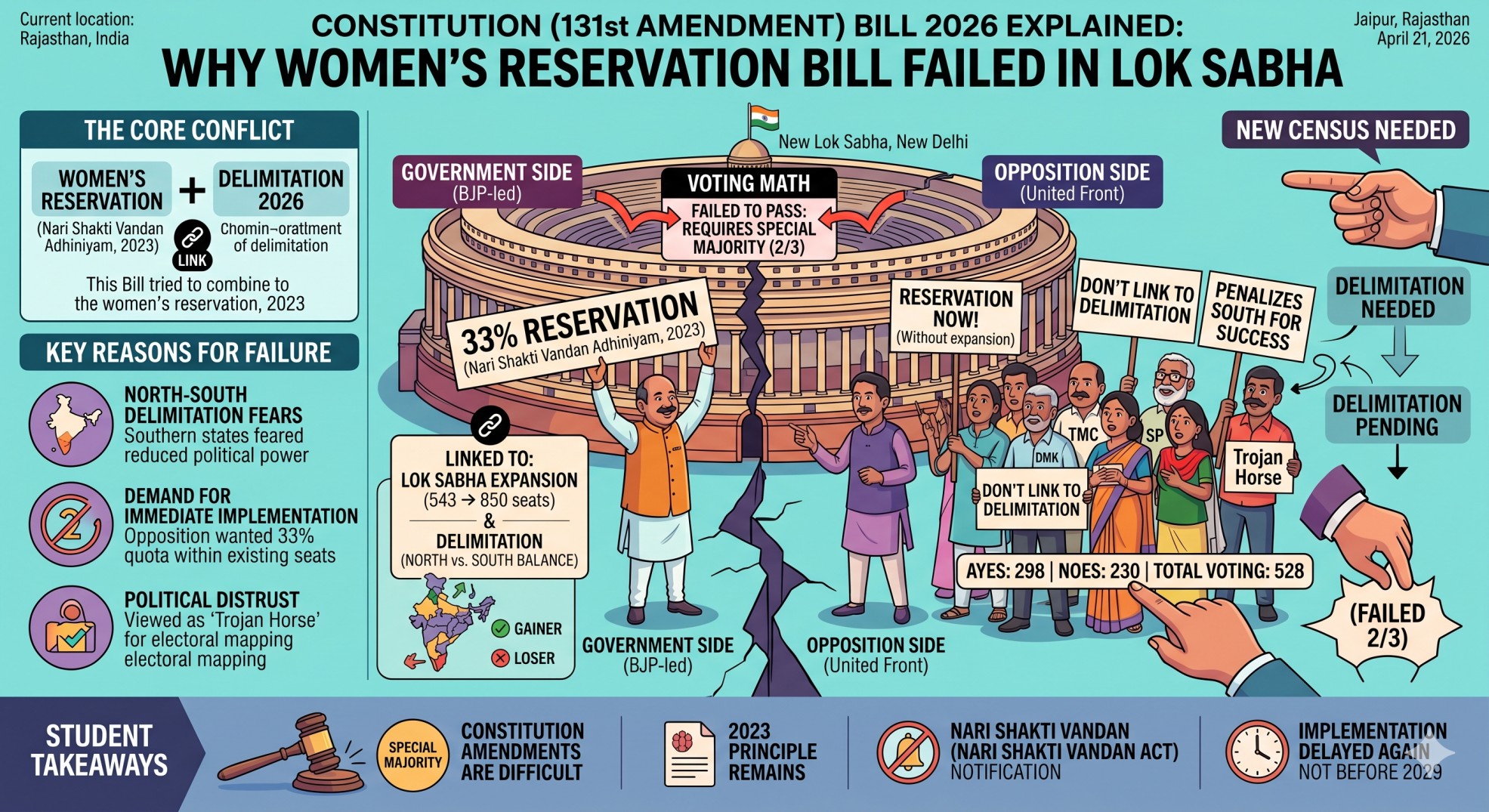
Constitution (131st Amendment) Bill 2026 Explained: Why Women’s Reservation Bill Failed in Lok Sabha
READ MORE →
Sijimali Hills Protest Explained: Why Tribals Oppose Vedanta Mining Project
READ MORE →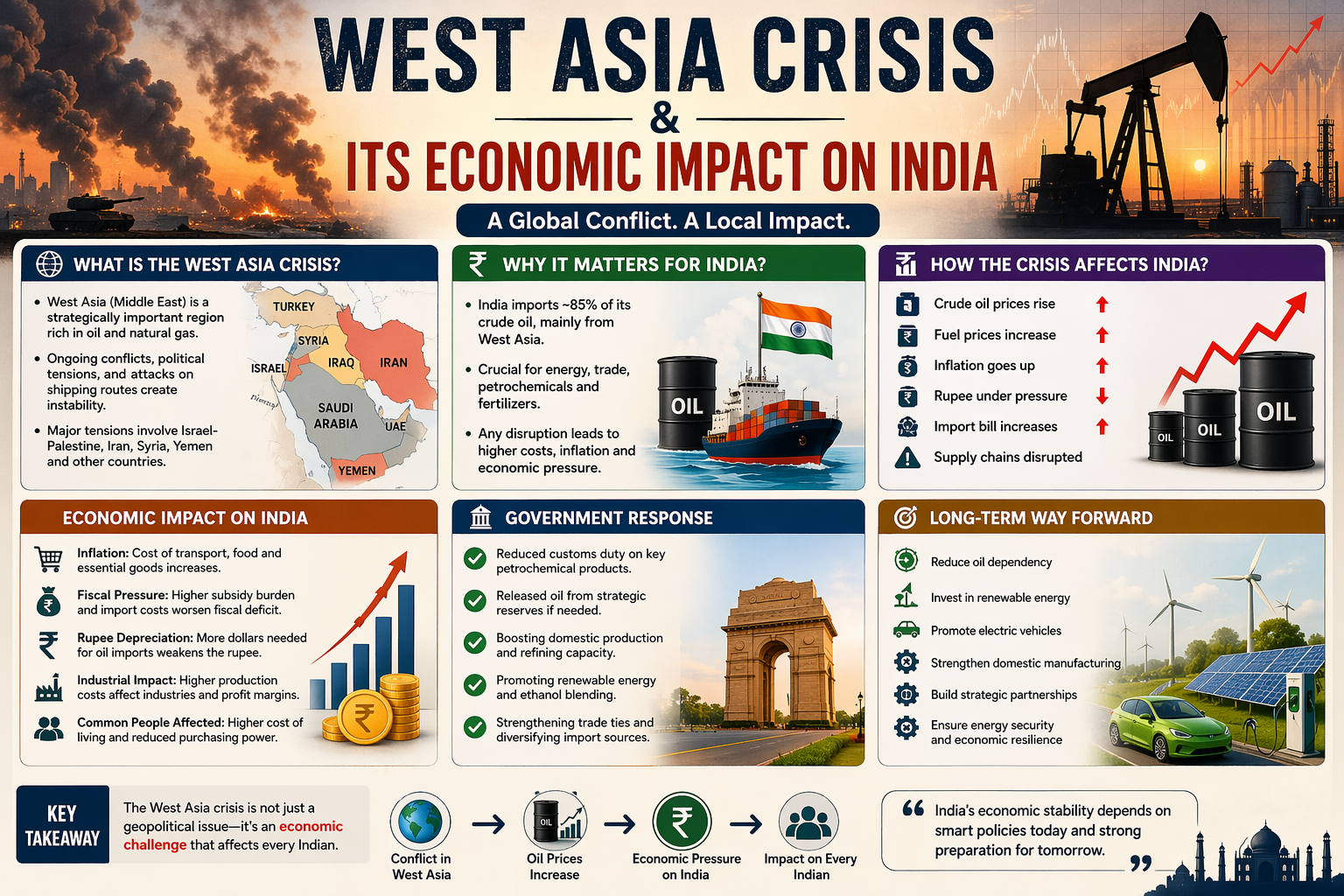
West Asia Crisis & Its Economic Impact on India
READ MORE →
Tamil Nadu Election 2026 LIVE: High Voter Turnout पर DMK vs AIADMK में टकराव, Anti-Incumbency vs SIR Debate
READ MORE →