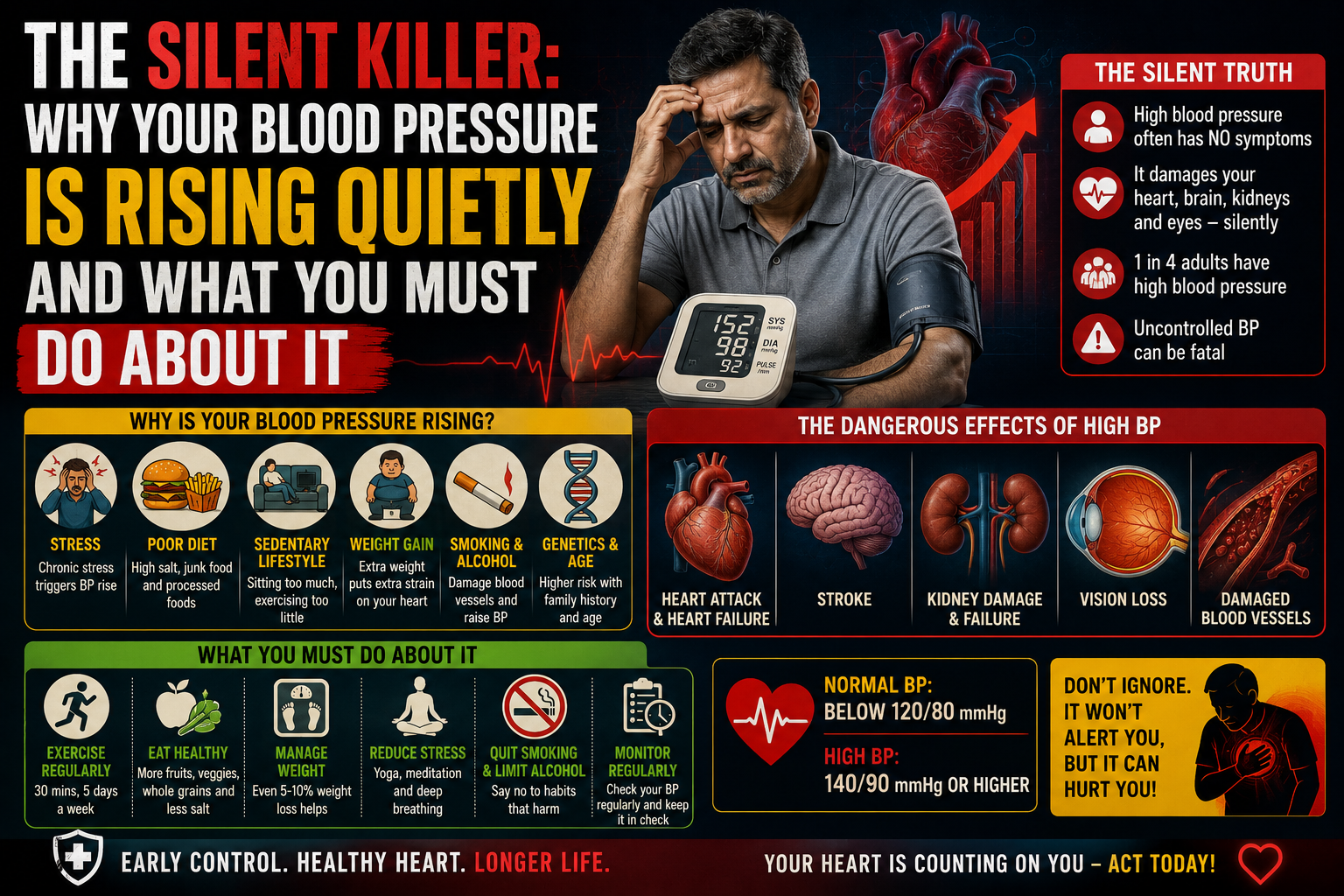
The Silent Killer: Why Your Blood Pressure is Rising Quietly and What You Must Do About It
The Silent Killer: Blood Pressure Rising Quietly – Why You Must Pay Attention Now
In today’s fast-paced world, many of us brush off minor complaints like occasional headaches, fatigue, dizziness, or poor sleep as mere signs of stress or overwork. What we often fail to realize is that these subtle signals could be early warnings of a dangerous condition that is rising silently inside our bodies: high blood pressure, commonly known as hypertension.
Doctors call it the “silent killer” for a very good reason — it can damage your arteries, heart, brain, and kidneys for years without showing any obvious symptoms until a serious complication strikes. In India alone, over 220 million adults suffer from hypertension, and nearly half of them don’t even know they have it. This comprehensive guide explores the hidden dangers of silently rising blood pressure, its causes, warning signs, long-term risks, prevention strategies, treatment options, and practical lifestyle changes you can implement today.
Understanding Blood Pressure and How It Rises Silently
Blood pressure is the force exerted by circulating blood against the walls of your arteries. It is measured with two numbers:
- Systolic pressure (top number): Pressure when the heart beats and pumps blood.
- Diastolic pressure (bottom number): Pressure when the heart rests between beats.
A normal reading is considered around 120/80 mmHg. Hypertension is generally diagnosed when readings consistently reach 140/90 mmHg or higher.
The most alarming aspect of hypertension is its silent progression. In the vast majority of cases (over 90%), it develops gradually over many years. You may feel perfectly normal while your blood vessels are slowly hardening, your heart is working overtime, and vital organs are sustaining microscopic damage. By the time noticeable symptoms appear, significant harm may have already occurred.
The Alarming Statistics in India and Worldwide
Hypertension has reached epidemic proportions globally and especially in India:
- Approximately 1 in every 4 Indian adults has high blood pressure.
- The condition is rapidly increasing among people aged 30–45 due to changing lifestyles.
- Rural areas show lower awareness, leading to poorly controlled cases.
- According to the World Health Organization (WHO), hypertension contributes to more than 10 million deaths annually worldwide through heart attacks, strokes, and kidney failure.
India is often called the “hypertension capital of the world,” with urban populations showing even higher prevalence due to sedentary jobs, unhealthy diets, and chronic stress.
Why Is Blood Pressure Rising Silently in So Many People?
Several interconnected factors drive this silent epidemic:
1. Modern Lifestyle Factors Long working hours, desk-bound jobs, lack of physical activity, and excessive screen time have become normalized. The body’s natural mechanisms for regulating blood pressure are disrupted by prolonged sitting and minimal movement.
2. Dietary Habits
- Extremely high salt (sodium) intake from processed foods, packaged snacks, pickles, and restaurant meals.
- Low consumption of potassium-rich foods like bananas, spinach, oranges, and beans.
- Excessive sugar, refined carbohydrates, and unhealthy fats.
3. Obesity and Abdominal Fat Excess weight, particularly visceral fat around the belly, promotes insulin resistance and inflammation, directly contributing to higher blood pressure.
4. Chronic Stress and Poor Sleep Constant mental pressure triggers the release of stress hormones like cortisol, which constrict blood vessels. Sleep apnea (repeated breathing pauses during sleep) is another major hidden contributor that often goes undiagnosed.
5. Genetic and Medical Factors Family history significantly increases risk. Other contributors include kidney problems, thyroid disorders, certain medications (painkillers, steroids, oral contraceptives), and excessive alcohol or tobacco use.
6. Aging Arteries naturally lose flexibility with age, but unhealthy lifestyles are causing hypertension to appear much earlier than in previous generations.
Subtle Warning Signs Most People Ignore
Because hypertension is often symptomless, it is easy to miss. However, some people experience these mild but important clues:
- Morning headaches or heaviness in the head
- Frequent dizziness or lightheadedness
- Blurred vision or seeing floaters
- Unexplained fatigue or low energy
- Nosebleeds (in severe cases)
- Swelling in feet or ankles
- Frequent nighttime urination
- Chest discomfort or palpitations during mild activity
- Difficulty concentrating or memory lapses
These symptoms are so common that most people attribute them to “just getting older” or “work pressure,” allowing the condition to progress unchecked.
Devastating Long-Term Complications
Uncontrolled high blood pressure silently damages multiple organs:
Heart: Leads to left ventricular hypertrophy, heart attacks, heart failure, and arrhythmias. Brain: Increases risk of ischemic and hemorrhagic strokes, vascular dementia, and cognitive decline. Kidneys: Causes chronic kidney disease and may eventually require dialysis. Eyes: Results in hypertensive retinopathy, which can cause vision loss. Blood Vessels: Promotes atherosclerosis (plaque buildup), raising chances of aneurysms and peripheral artery disease. Sexual Health: Contributes to erectile dysfunction in men and reduced libido in both genders.
Accurate Diagnosis: How to Monitor Blood Pressure Properly
Home monitoring is one of the best tools for early detection:
- Invest in a validated digital BP monitor.
- Measure twice daily — once in the morning before food and once in the evening.
- Sit quietly for 5 minutes before checking, with feet flat on the floor and arm supported at heart level.
- Record readings consistently and share with your doctor.
- Get professional check-ups at least twice a year, or more frequently if you have risk factors.
Ambulatory blood pressure monitoring (24-hour monitoring) may be recommended in doubtful cases.
Effective Treatment: Medicines + Lifestyle Changes
Medications: Doctors may prescribe ACE inhibitors, ARBs, calcium channel blockers, diuretics, or beta-blockers depending on individual needs. The key is to take them regularly and never stop without medical advice, even if you feel better.
Lifestyle Modifications (Often More Powerful Than Drugs):
- Reduce Salt: Limit to less than 5 grams (one teaspoon) per day.
- Adopt DASH Diet: Emphasize fruits, vegetables, whole grains, lean proteins, and low-fat dairy.
- Exercise Regularly: 150 minutes of moderate aerobic activity per week (brisk walking, cycling, swimming) plus strength training.
- Weight Management: Losing even 5–10 kg can significantly lower BP.
- Limit Alcohol: No more than one drink per day for women and two for men.
- Quit Smoking: Tobacco immediately damages blood vessels.
- Stress Management: Practice meditation, deep breathing, yoga, or mindfulness daily.
- Improve Sleep: Aim for 7–9 hours of quality sleep; treat sleep apnea if present.
Natural Approaches and Home Remedies That Help
- Eat potassium-rich foods daily.
- Consume beetroot juice or cooked beetroot.
- Include garlic, ginger, cinnamon, and hibiscus tea in your routine.
- Stay well hydrated.
- Practice yoga poses like Sukhasana, Shavasana, and Pranayama.
- Consider evidence-based supplements (after consulting a doctor) such as magnesium, omega-3, or CoQ10.
Special Concerns: Women, Children, and Young Adults
Pregnant women face risks of preeclampsia. Post-menopausal women see rising rates due to hormonal changes. Alarmingly, hypertension is now appearing in teenagers and young adults due to obesity, junk food, and academic stress.
Prevention: Building a Long-Term Defense
Prevention is far better than treatment. Start early by:
- Teaching children healthy eating and active habits.
- Scheduling regular health check-ups after age 25.
- Creating a supportive environment at home and work for stress reduction.
- Prioritizing sleep and mental well-being.
Conclusion: Break the Silence Before It’s Too Late
Silently rising blood pressure is not just a medical condition — it is a wake-up call about how we are living our lives. The good news is that hypertension is highly preventable and manageable. With awareness, regular monitoring, healthy lifestyle choices, and timely medical care, you can keep your blood pressure under control and protect your heart, brain, and overall health for decades to come.
Don’t wait for a heart attack or stroke to take action. Check your blood pressure today. Make small, consistent changes. Share this knowledge with your family and friends.
Your future self — and your loved ones — will thank you for it.
Take charge of your health starting now. Because silence, in the case of blood pressure, can be deadly.
Related Articles
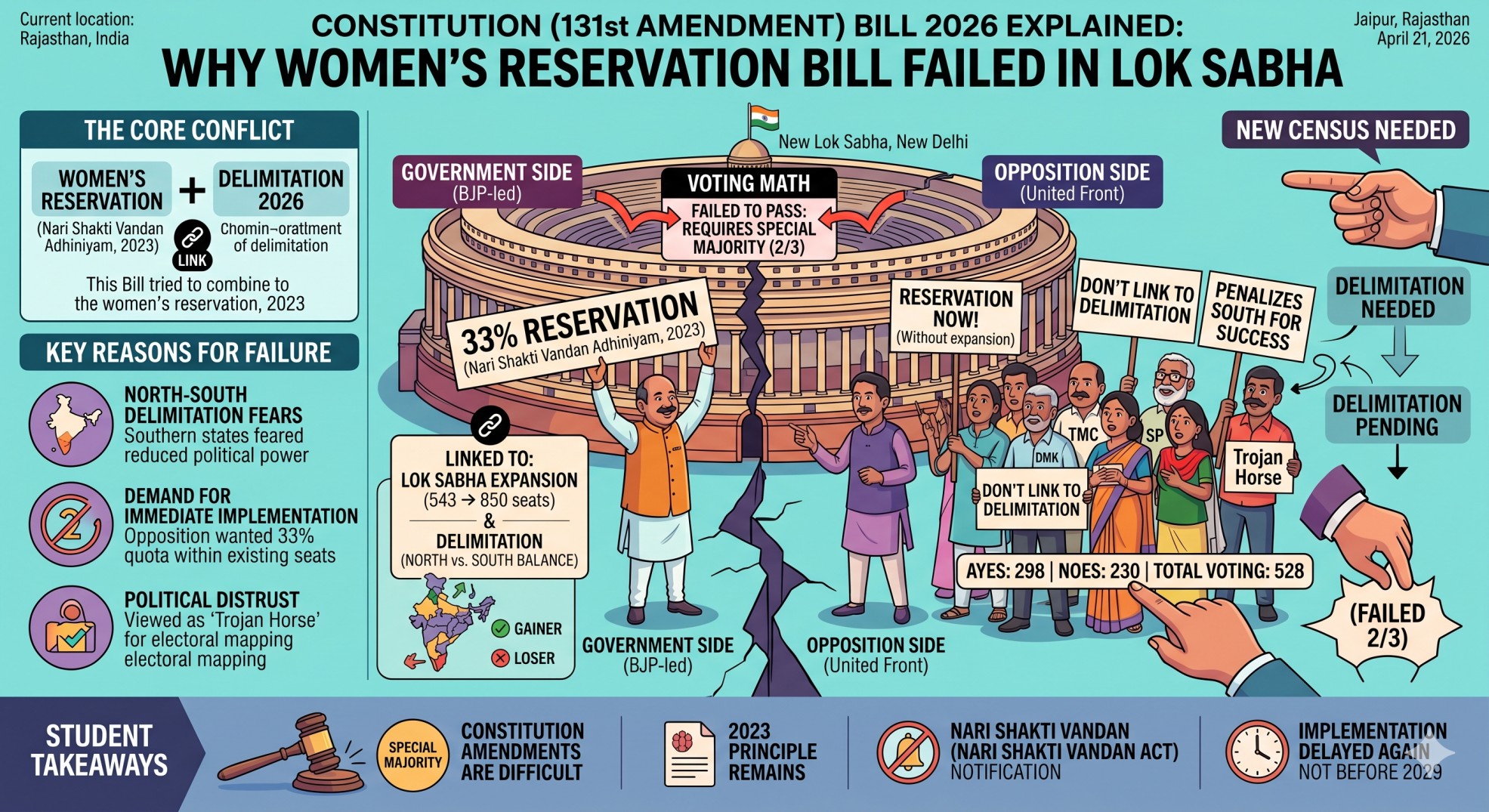
Constitution (131st Amendment) Bill 2026 Explained: Why Women’s Reservation Bill Failed in Lok Sabha
READ MORE →
Indian vs Global Education System: Key Differences
READ MORE →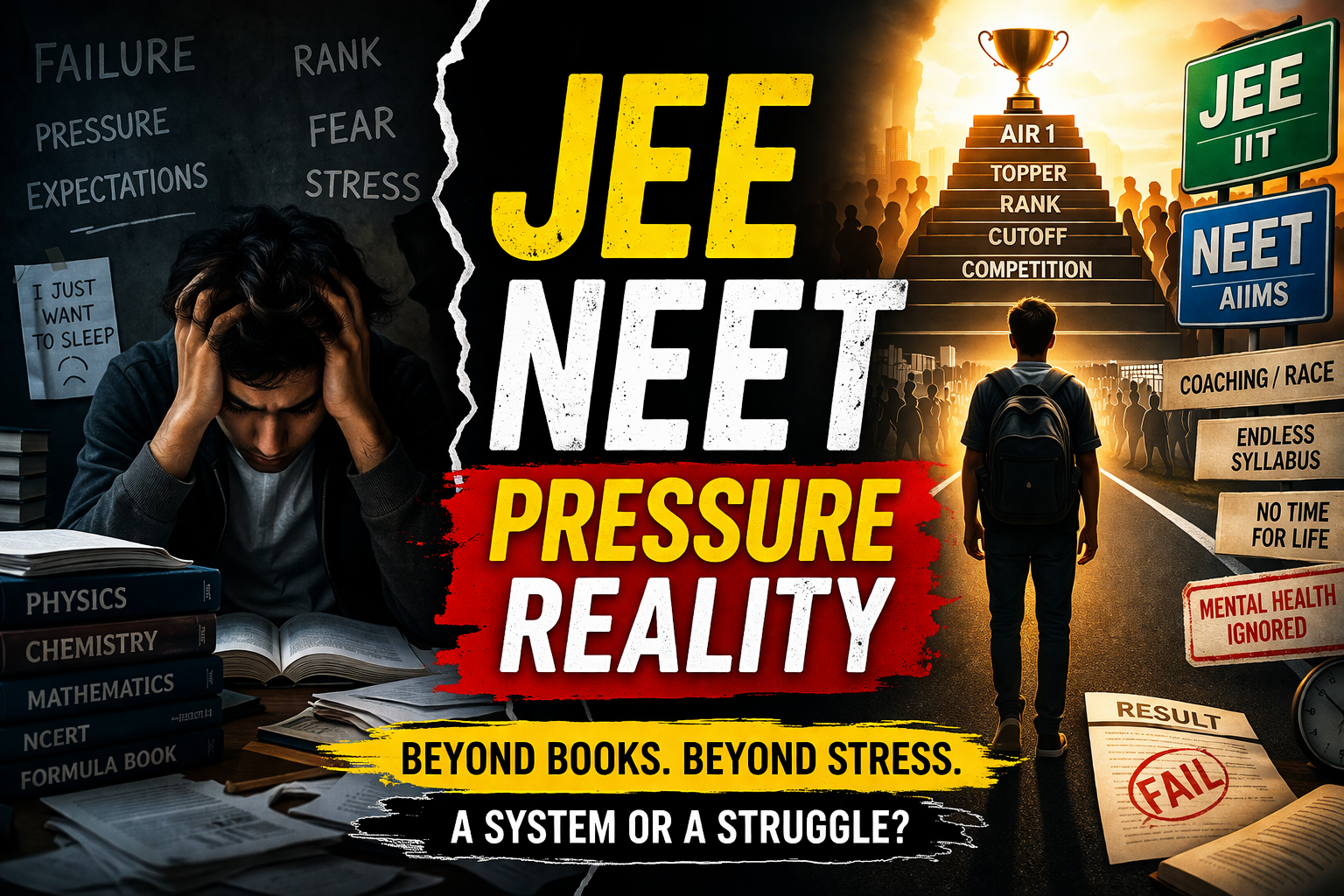
JEE NEET pressure
READ MORE →
Infosys Success Story in Hindi | Narayana Murthy Biography, Struggle & Success
READ MORE →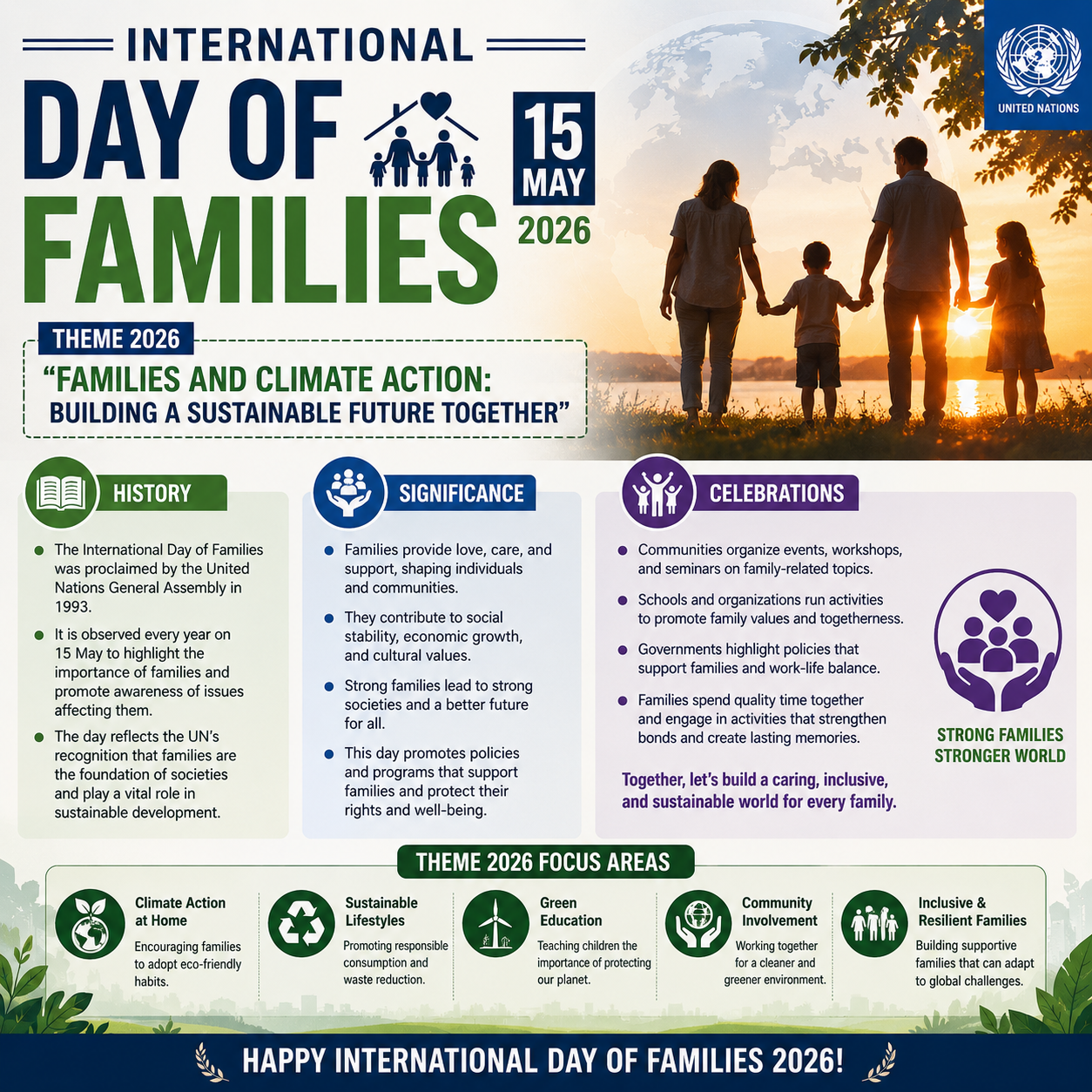
International Day of Families 2026: Theme, History, Significance & Celebrations
READ MORE →